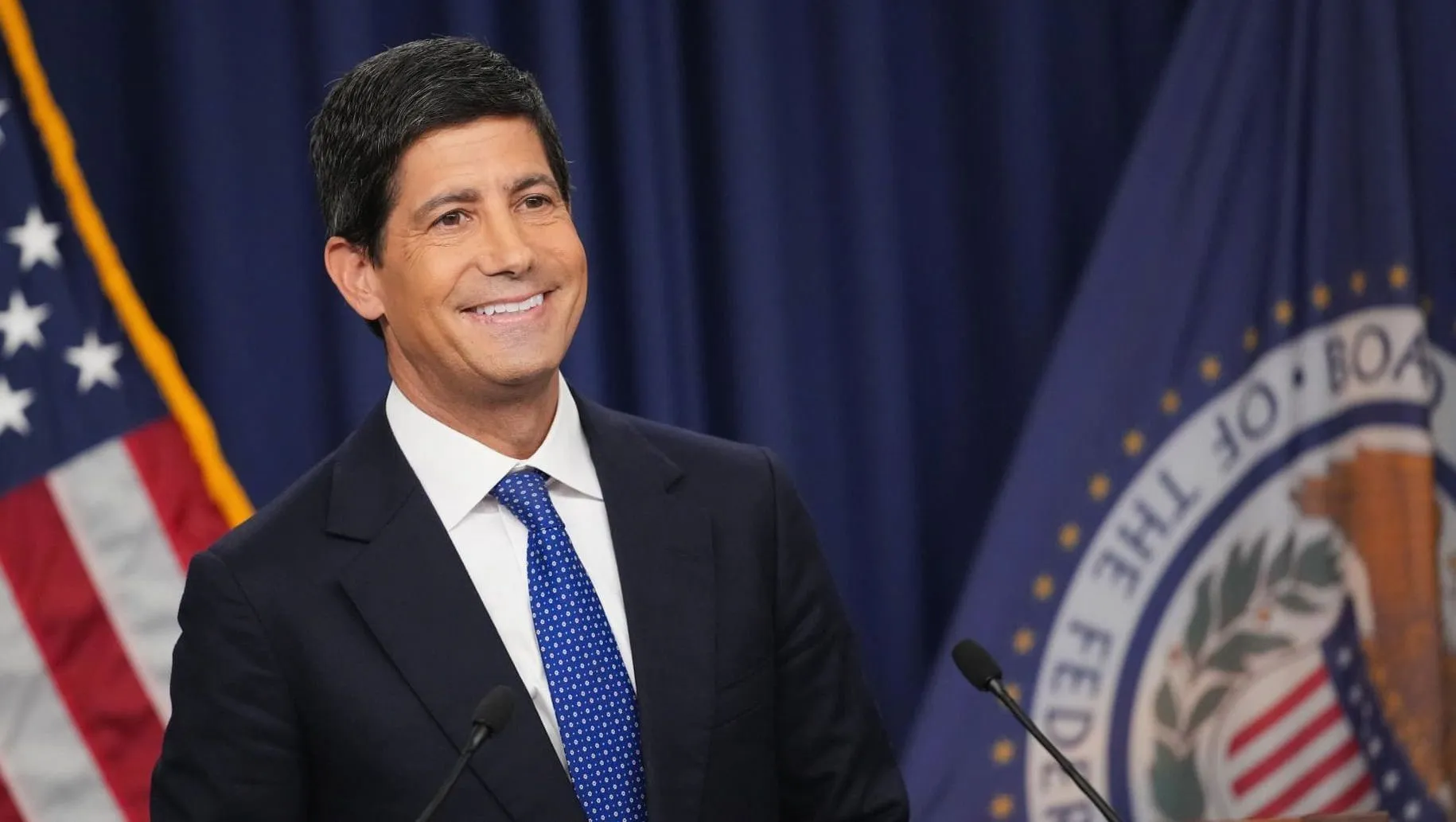
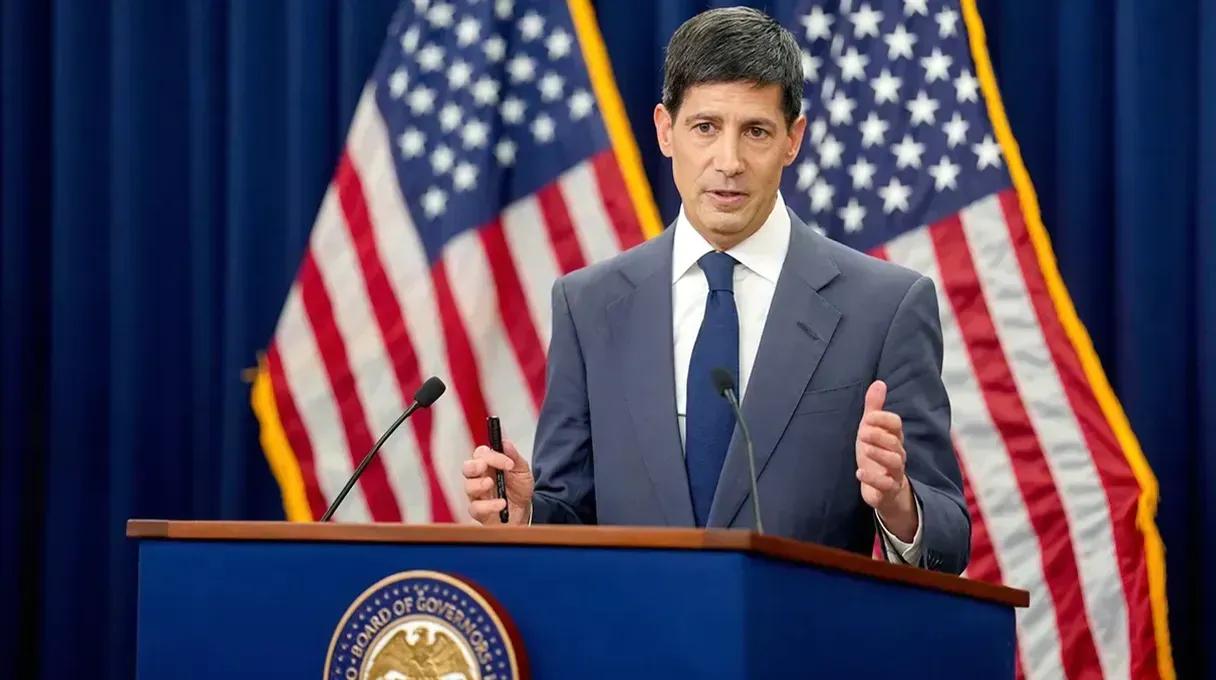
The Federal Reserve decided to keep its benchmark interest rate steady on Wednesday, opting for a cautious approach as policymakers wait for fresh economic data. In a ten to two vote, the central bank maintained the federal funds rate within a target range of 3.75 percent to 4 percent. This pause comes shortly after a quarter percentage point increase in September, which marked the first such hike since July 2023. While officials noted that economic activity continues to expand at a strong pace with healthy productivity and stable employment, they cautioned that inflation remains stubbornly elevated.
Federal Reserve Chair Kevin Warsh emphasized that the bank is not declaring victory over rising prices and remains firmly committed to bringing inflation back down to its two percent goal. During his briefing, Warsh described the current process as one of interrogating reality, noting that while the labor market is performing well, many Americans are still feeling the pinch of high costs at gas stations and grocery stores. He dismissed any notion of a soft inflation target, insisting that price stability is non negotiable regardless of shifting market conditions.
Addressing concerns regarding the timing of the announcement just days before upcoming midterm elections, Warsh stated explicitly that politics played no role in the decision. He asserted that the committee did not discuss the election during their meetings and instead focused entirely on economic indicators and geopolitical uncertainties. Despite two dissenting votes from Governor Lisa Cook and Cleveland Fed President Beth Hammack, who both favored another rate hike, the majority felt it was prudent to observe how previous tightening efforts filtered through the economy before taking further action.
Looking toward future operations, Warsh also announced adjustments to the board’s meeting schedule beginning next year. Starting in 2027, certain annual gatherings will be dedicated exclusively to long term monetary policy strategy rather than immediate rate decisions. By carving out specific space for intellectual deliberation on big picture questions, Warsh believes the institution can improve its decision making process and better navigate the complexities of modern global economics.
This article is for general education only and is not financial, investment or tax advice.